
Patient News
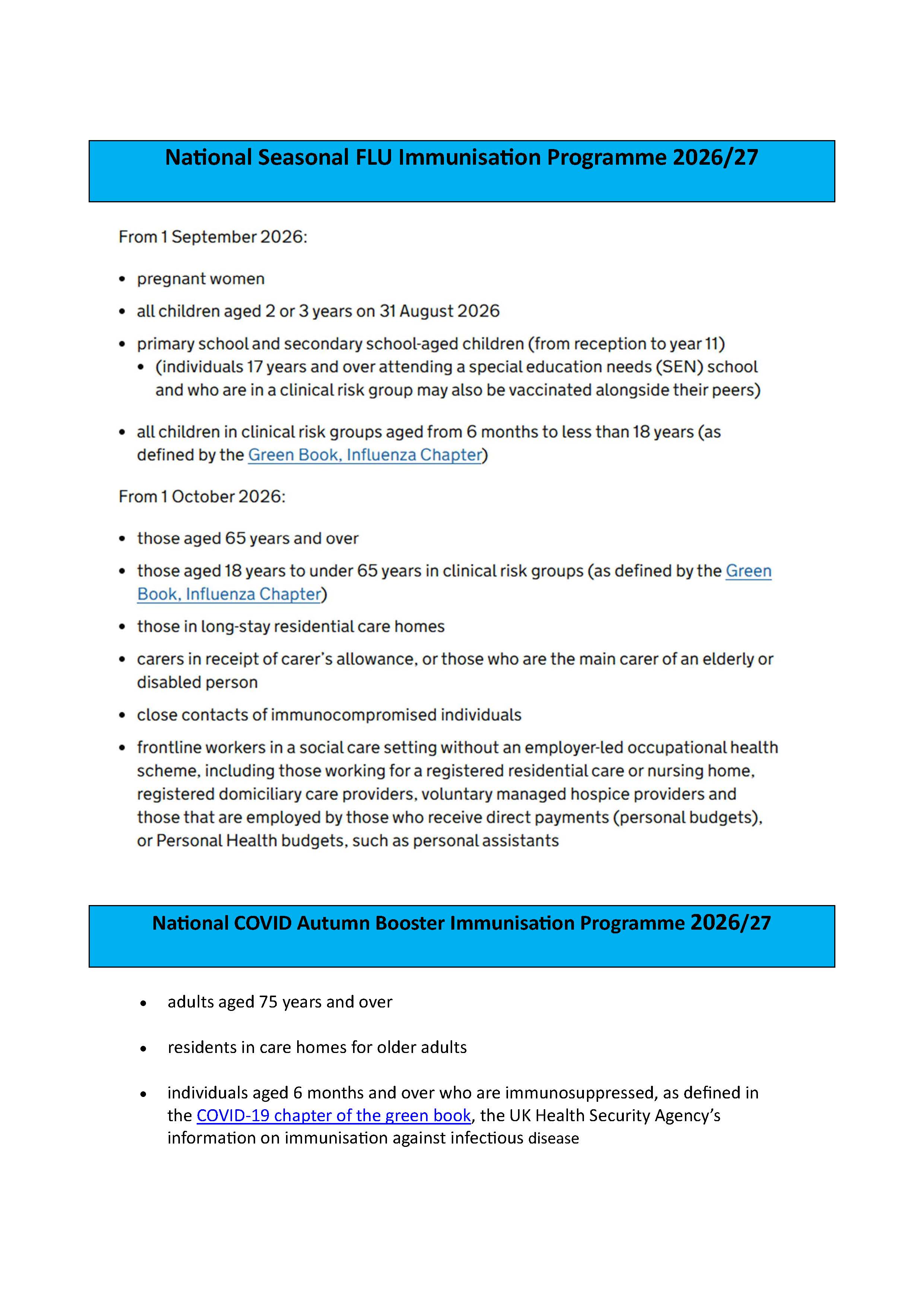
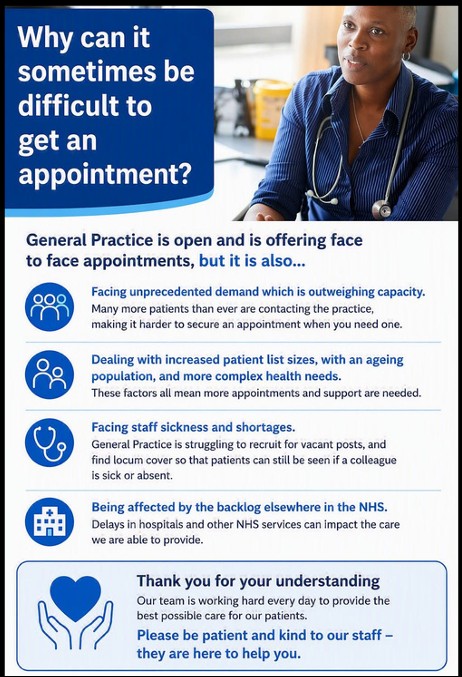
Lung Cancer Screening
Have you received an invite to have a lung health check? Smokers and ex-smokers, aged between 55 and 74, will automatically receive an invitation letter in the post.
It comes in a yellow envelope, so look out for it and please take up the invite – it could save your life.
Fiwww.surreyandsussexlungcancerscreening.nhs.uknd out more about the NHS Lung Cancer Screening Programme here: https://surreyandsussexlungcancerscreening.nhs.uk/
Dear Patient,
We understand that you may be able to view clinic letters and test results through the My Frimley App provided by Frimley Health NHS Foundation Trust.
Please note that you do not need to print or bring copies of hospital clinic letters or test results to your GP practice. When a hospital doctor requests tests or reviews you in clinic, they remain responsible for reviewing those results and arranging any necessary follow-up.
Once the hospital team has reviewed your results and made a decision about ongoing care, they will write to the GP practice with an update and details of any required clinic follow-up. Receiving this information via multiple channels and in duplicate delays delivery of patient care.
If tests have been requested by a hospital doctor, it is their responsibility to review and act on those results. Patients should not be directed back to their GP for interpretation or follow-up of hospital-requested tests unless they have been formally discharged from hospital care.
If you have concerns about tests arranged by the hospital or are waiting to hear about next steps, please contact the hospital department directly using the contact details provided in your clinic correspondence.
Thank you for your understanding.
Yours sincerely,
GP Practice Team
We are pleased to let you know that, following productive discussions with our colleagues at RBWM, we have agreed an initial short‑term solution to the parking difficulties caused by the St Cloud Way redevelopment.
From January 2026, additional permit and pay‑and‑display parking will be available both on site and within the Tenpin car park, supported by new signage and line marking. In the meantime, staff will be able to use Hines Meadow to help free up more spaces at the surgery. This will not apply to all staff, as some—such as duty and visiting clinicians—require closer access to their vehicles during the day.
We will also be increasing the number of disabled parking bays from two to four in January 2026.
We will continue to work closely with RBWM on a long‑term solution, as some of the additional parking will be reclaimed by the redevelopment later in 2026.
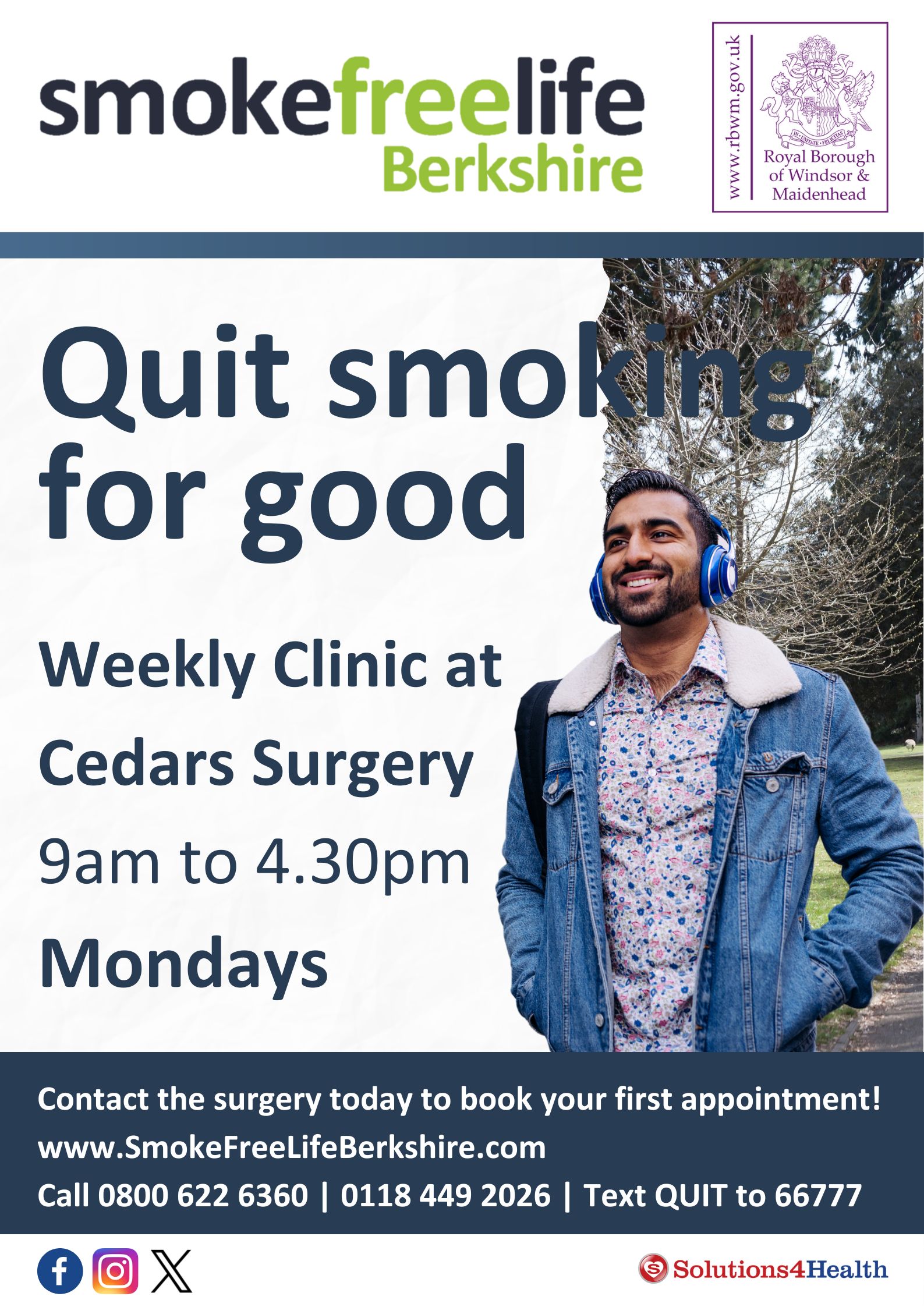
Make a self-referral to Pharmacy First at Local Services
Make a self-referral to Pharmacy First at Local Services
As hay fever season is now upon us, we remind patients to ensure they have stocked up on their medication from the pharmacist and are able to self-care in the first instance.
A large number of antihistamines are now available over-the-counter without prescription. These include fexofenadine, cetirizine, loratadine, acrivastine and chlorphenamine tablets, cromoglicate eye drops and beclometasone / fluticasone / mometasone steroidal nasal sprays. Remember you do not have to purchase branded medicines - they work exactly the same as non-branded products, speak to a community pharmacist for further advice.
For further support please visit
- https://www.nhs.uk/conditions/hay-fever/
- https://patient.info/allergies-blood-immune/hay-fever-leaflet
- https://www.allergyuk.org/types-of-allergies/hayfever/
Only ask to be seen at the surgery if your pharmacist has requested.
Patients may be aware that there is a national policy around the availability of weight loss medication to some patients in general practice from 23 June 2025, specifically Tirzepatide (or Mounjaro® as it is commonly known).
GPs in East Berkshire have not yet received confirmation that they will be commissioned to prescribe these medications.
This means that we are awaiting official guidance and commissioning updates and until we receive this confirmation, this medication is not currently available from the practice.
We will provide an update as soon as more information becomes available. In the meantime, we politely request that patients do not contact the practice about Tirzepatide.
If you would like support losing weight then please first submit an eConsult via our website.
Thank you for your understanding.
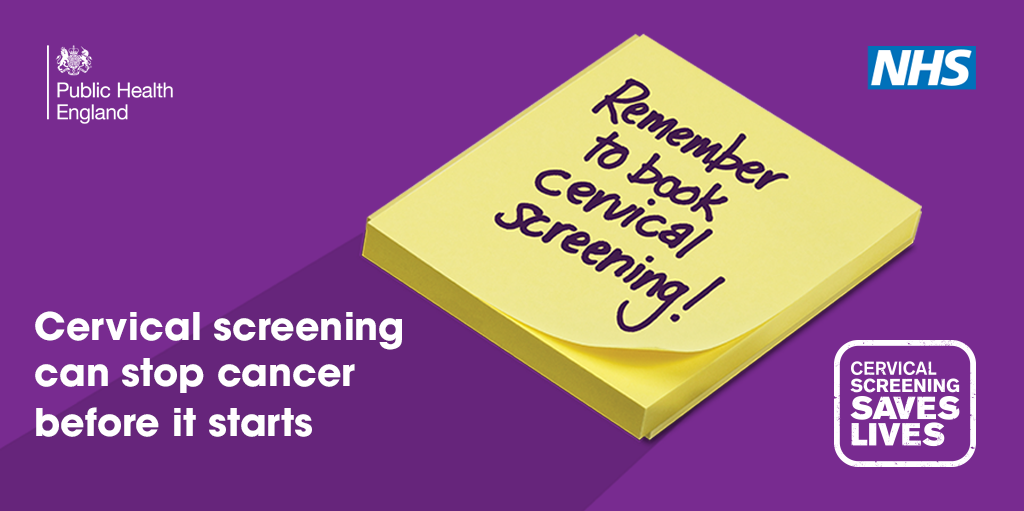
It has come to our attention that there are some negative and misleading social media posts about the cervical screening procedure. We would like to reassure patients that this short 2-3 minute procedure is perfectly safe and is an important screening for all women aged between 25 and 64. Further information can be found at https://www.nhs.uk/conditions/cervical-screening/what-happens
It has come to our attention that there are some negative and misleading social media posts about the cervical screening procedure. We would like to reassure patients that this short 2-3 minute procedure is perfectly safe and is an important screening for all women aged between 25 and 64. Further information can be found at https://www.nhs.uk/conditions/cervical-screening/what-happens
Update: Changes to minimum device operating system version required to use the NHS App
From 3rd February, a small number of people will no longer be able to use the NHS App on their device as older versions of operating systems for iPhone (iOS) and Android will no longer be supported.
This will affect those who use iOS 12, Android 6 and Android 7, while those with iOS 13 and iOS 14 can upgrade their device to the minimum supported version, iOS 15. For iPhone users - iPhones older than the iPhone 6s, iPhone SE (1st generation), iPhone 7, iPhone 8, iPhone X, iPhone XS, iPhone XS Max, or iPhone XR cannot be upgraded past iOS 14.
Those with unsupported devices can still access their NHS App services by logging into their NHS account online, through the NHS website.
Share these step-by-step videos to walk users through how to use the online NHS account.
More information about NHS App device compatibility can be found on the Technical issues with the NHS App – NHS App help and support – NHS
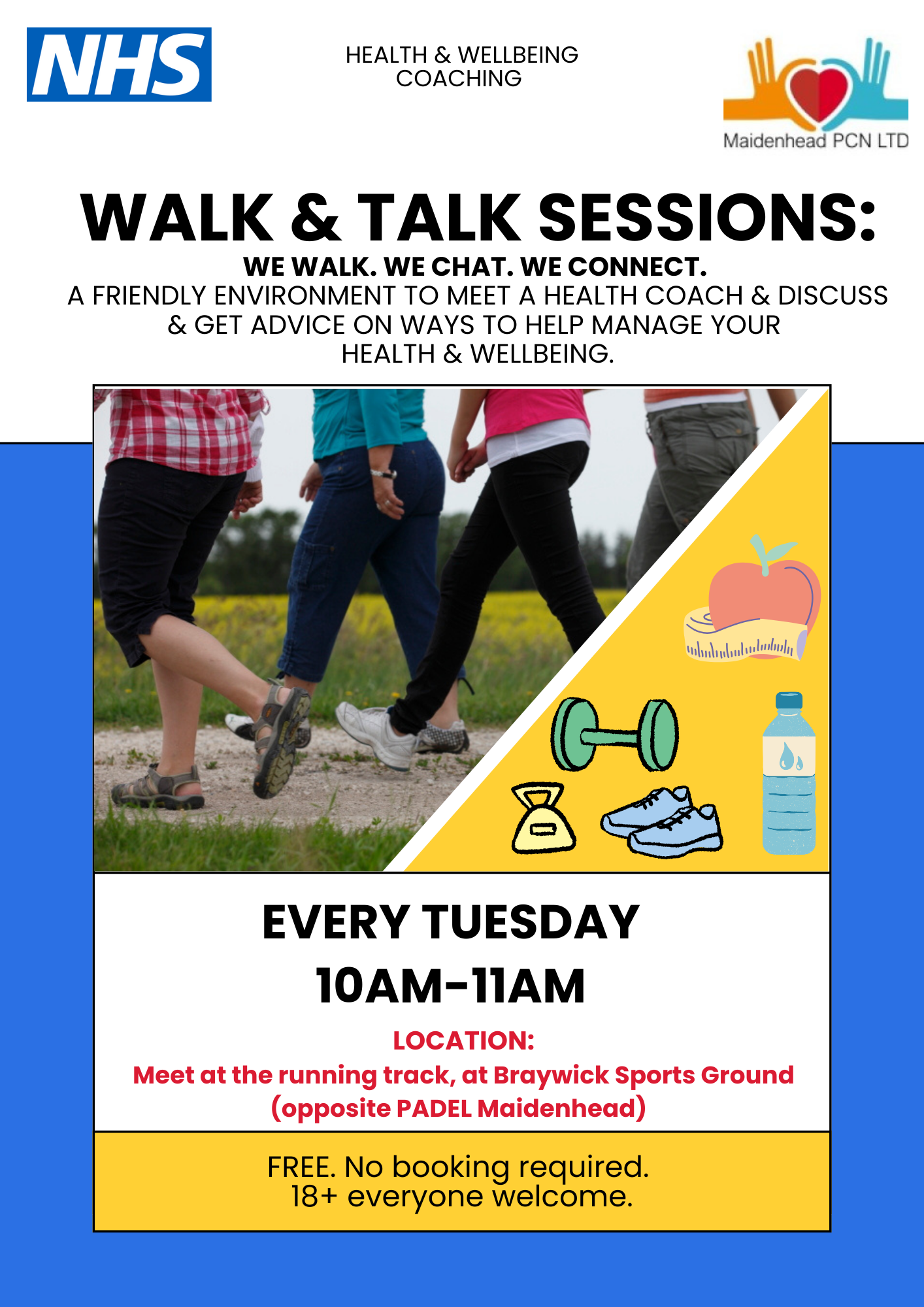
Back by popular demand!
Walk and talk sessions every Tuesday 10:00-11:00
Back by popular demand!
Walk and talk sessions every Tuesday 10:00-11:00

Think you have a cold?
Check your symptoms at https://orlo.uk/HfUc1
Treat your cold at home. If you have a high temperature or you do not feel well enough to do normal activities, try to stay at home and avoid contact with others until you feel better.
Find further health advice on the https://orlo.uk/2j0vf website.
We have been informed of an increase in fraudulent cold callers claiming to represent GP practices or health providers. At this time of year, we urge all patients to remain vigilant and take extra care when sharing personal information.
Key advice:
Always verify who you are speaking to.
End the call immediately if you have any concerns.
Report suspicious activity to the National Fraud & Cyber Crime Reporting Centre, Action Fraud.
Stay safe and protect your information. For more advice, visit www.actionfraud.police.uk.
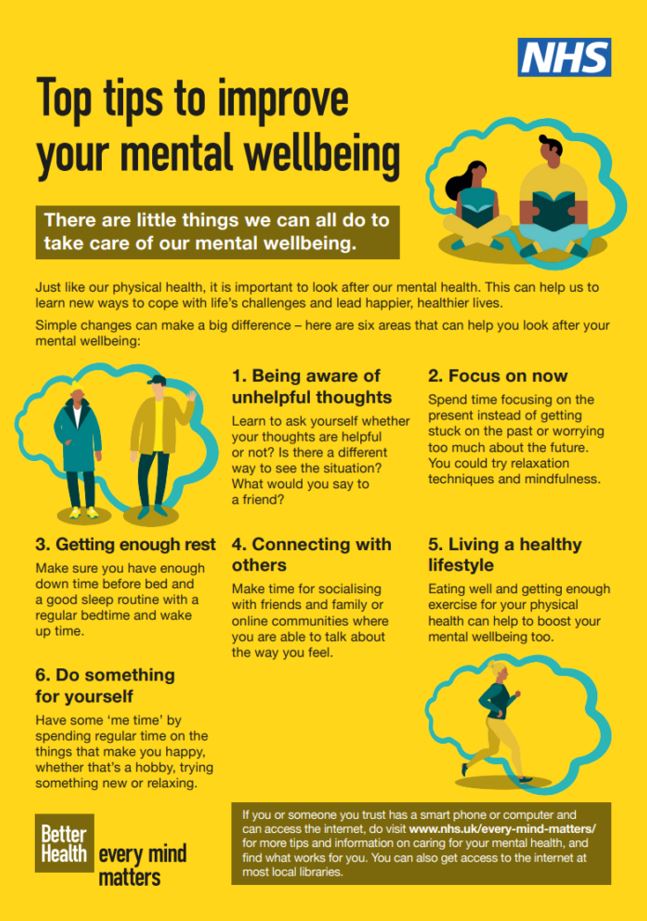
World Mental Health day 10 October 2024
World Mental Health day 10 October 2024
Respiratory Syncytial Virus (RSV) Vaccination Programme
From 1 September 2024, those who turn 75 and those aged 75 to 79 will be eligible for a free vaccine to protect them from respiratory syncytial virus (RSV). This is separate and in addition to the winter flu and COVID vaccination programmes.
RSV is an infectious disease of the airways and lungs. RSV infection often causes symptoms like a cold, including:
- cough
- sore throat
- sneezing
- a runny or blocked nose
It can also make you become wheezy or short of breath and lead to pneumonia and other life-threatening conditions. There is no specific treatment, and most infections will get better by themselves. Every year thousands of older adults need hospital care for RSV, and some of them will sadly die from it. RSV can be more severe in people with medical conditions such as heart or lung disease or a weakened immune system.
RSV infection is also common in young children but is most serious for small babies and for older people.
Eligibility for the RSV vaccination
Everyone turning 75 years old on or after the 1 September 2024 will be offered a single dose of RSV vaccine. This is because older adults are more at risk of serious complications from RSV. You can still get the vaccine up to the day before you turn 80.
For the first year of the programme, the vaccine will also be offered to those who are already aged 75 to 79 years on 1 September 2024 as part of a catch-up programme.
If you are not yet 75, the NHS will invite you for vaccination once you turn 75.
Invitations
As a Practice we will send you an SMS text message with an online appointment booking link if you’re eligible. Please promptly action the SMS text message once received. For those who don’t have mobiles, or text messages appear undelivered, we will contact you to offer the appointment.
For more information about the vaccine, side effects and the programme please visit:
Flu & COVID Booster Vaccinations 2024/25
Seasonal flu is a highly infectious illness caused by a flu virus. The virus infects your lungs and upper airways, causing a sudden high temperature and general aches and pains. You could also lose your appetite, feel nauseous and have a dry cough. Symptoms can last for up to a week.
How to get the flu/covid vaccine
If you are eligible for an NHS flu vaccine, you will be invited by text message to book your appointment online at St. Mark's Hospital. If you are also due a COVID booster you will be offered that at the same time. There is no need to book two appointments.
You may be invited for a flu jab if you are:
- are 65 years of age or over
- are pregnant
- have certain medical conditions
- live in a care home
- are the main carer for an older or disabled person, or receive a carer’s allowance
- live with someone who has a weakened immune system
Or have a serious long-term health condition, including:
- conditions that affect your breathing, such as asthma (needing a steroid inhaler or tablets), chronic obstructive pulmonary disease (COPD) or cystic fibrosis
- heart conditions, such as coronary heart disease or heart failure
- chronic kidney disease
- liver disease, such as cirrhosis or hepatitis
- some conditions that affect your brain or nerves, such as Parkinson’s disease, motor neurone disease, multiple sclerosis or cerebral palsy
- diabetes or Addison’s disease
- a weakened immune system due to a condition such as HIV or AIDS, or due to a treatment such as chemotherapy or steroid medicine
- problems with your spleen, such as sickle cell disease, or if you’ve had your spleen removed
- a learning disability
- being very overweight – a body mass index (BMI) of 40 or above
Speak to your GP surgery or specialist if you have a health condition and you’re not sure if you’re eligible for the flu vaccine.
Frontline health and social care workers can also get the flu vaccine through their employer.
When you should have the flu vaccine
Most eligible adults will be able to get the flu vaccine from 3 October 2024.
This may be later than you have had the vaccine before, but it means you will have the best protection when flu is most widespread.
Some people may have their vaccination from September 2024, including if:
- you are pregnant (especially if you are near to your due date) – it is important to get vaccinated before giving birth to help protect yourself and your baby for the first few months of their life
- you are due to have treatment that will weaken your immune system (such as chemotherapy) – the vaccine may be given before treatment starts because it works better if given when your immune system is stronger
External Websites
- Flu and the Flu Vaccine – NHS
- Children’s Flu Vaccine – NHS
- Flu Vaccine FAQ’s – NHS

20/07/2024 - Further update regarding our Clinical Systems - following the global IT issues that affected our systems on Friday, things are slowly getting back to normal. We hope full access will resume before Monday morning, however, we do expect to be busier than usual and we have a huge amount of work to catch-up with. Please only contact us if you really need to on Monday to help us get back on top of things.
Pre-booked appointments will continue to be seen, as they were on Friday.
Thank you for your support.
Dear Patients,
We regret to inform you that our clinical system, EMIS, is currently experiencing technical difficulties due to a global IT outage. This system is crucial for managing appointments, accessing medical records, and processing prescriptions, so this interruption may affect our ability to provide timely and efficient care. We have limited access to your information so please bear with us.
What This Means for You:
· Appointments: We will do our best to proceed with your scheduled appointments, but there may be delays. We appreciate your patience as we work through this issue.
· Prescriptions: If you need a prescription, please bear with us. There may be a delay in processing new prescriptions and refills.
· Test Results: Access to test results is temporarily unavailable. We will update you as soon as the system is restored.
What We're Doing: The National team is working diligently to resolve this issue as quickly as possible. We are in close contact with EMIS support to expedite the repair process.
What to do:
· Emergency Care: For urgent medical issues, please use 111 online https://111.nhs.uk/ or visit your nearest urgent care centre or contact emergency services. · Minor illness: Please check your local Pharmacy https://www.nhs.uk/service-search/pharmacy/find-a-pharmacy
Our Telephone is still available for advice, please contact our reception team directly at 01628 620458. Alternatively, you can submit an eConsult at https://thecedarsurgery.webgp.com/, and we will respond as soon as we can.
Updates: We will keep you informed with regular updates on our website and via email. Please check back frequently for the latest information on the system status.
We apologise for any inconvenience this may cause and appreciate your understanding and patience as we work to restore our services to full functionality.
Thank you for your cooperation.
The Cedars Surgery
HAVING TROUBLE PARKING?
We apologise for the difficulty you are having with parking at or around The Cedars Surgery, Claremont Surgery, The Dental Practice and Park Pharmacy.
We have spoken with RBWM, the developer of St Cloud Way and the health commissioner many times over the last few years – seeking assurance that provision for staff and patient parking will be secured. Not only during the development, but after – unfortunately, to no avail.
Please raise your concerns directly to the leader of the council and the health commissioner at:
- cllr.werner@rbwm.gov.uk
- customer.service@rbwm.gov.uk
- frimleyicb.public@nhs.net
- info@healthwatchwam.co.uk
Many thanks
The Cedars Surgery


Making the right choice means getting the treatment you need without unnecessary disruption & delay & without adding to your worries. https://orlo.uk/maketherightchoice_UMcbU #MakeTheRightChoice
Making the right choice means getting the treatment you need without unnecessary disruption & delay & without adding to your worries. https://orlo.uk/maketherightchoice_UMcbU #MakeTheRightChoice

MMR Vaccination
Measles cases are likely to spread rapidly unless more people are vaccinated, the UK Health Security Agency says.
More than four million parents and carers, as well as many young adults, are being contacted because they, or their children, have missed out on one, or both, doses of the measles, mumps, rubella (MMR) vaccine.
How can I get the MMR vaccine?
The first MMR dose is usually administered at 12 months old, while the second jab is administered around three years and four months old.
Adults and children can be vaccinated at any point by their GP if they have missed their initial doses.
If you or your child has not been vaccinated, contact the surgery to book an appointment for an MMR vaccination.
What is measles and what are the symptoms?
Measles is a highly contagious disease which is spread by coughs and sneezes.
Common symptoms include:
- high fever
- sore, red and watery eyes
- coughing
- sneezing
Small white spots may appear inside the mouth.
A blotchy red or brown rash usually appears after a few days, typically on the face and behind the ears, before spreading to the rest of the body.
It can be harder to see on brown and black skin.
Measles normally clears up within seven to 10 days. However, complications can include pneumonia, meningitis, blindness and seizures.
Babies and young children, pregnant women and those with a weakened immune system are at increased risk.
Measles can be fatal, but this is rare.
Can adults get measles?
You can catch measles at any age.
If you catch it while pregnant, the disease can lead to stillbirth, miscarriage or babies being born small.
The NHS urges adults to ensure they have had both doses of the MMR vaccine before starting a family.
What should you do if you get measles?
The NHS advises patients to:
- take paracetamol or ibuprofen to relieve fever, aches and pains - aspirin should not be given to children under 16 years old
- rest and drink plenty of fluids
- wash their hands regularly with soap, and clean their eyes with damp cotton wool
- put used tissues and cotton wool in the bin
You should go to A&E or phone 999 if you or your child:
- have shortness of breath
- have a high temperature that does not come down with paracetamol or ibuprofen
- are coughing up blood
- feel drowsy or confused
- have fits (convulsions)
Pregnant women or those with a weakened immune system should seek urgent medical advice after contact with someone with measles.
The Cedars Surgery is happy to raise a referral as private instead of NHS, however please be aware that any subsequent investigations requested through the private sector should be conducted through them and do not automatically fall within the scope of the NHS.
Prescriptions should also be provided for by your private team. Once you are stable on treatment and if appropriate we will consider taking over prescribing. C ertain drugs fall within a 'shared care arrangement', prescribing these drugs on the NHS is voluntary and based on clinical and capacity grounds.
If an onward referral to NHS services is deemed appropriate and you fulfil the eligibility criteria then the private provider can do this without a requesting a referral by you GP.

Please click the link below to download the NHS App.
Please click the link below to download the NHS App.
Use of Benzodiazepines (and related medications) for flying
Diazepam in the UK is a Class C/Schedule IV controlled drug. The following short guide outlines the issues surrounding its use with regards to flying and why the surgery no longer prescribes such medications for this purpose.
People often come to us requesting the doctor or nurse to prescribe diazepam for fear of flying or assist with sleep during flights. Diazepam is a sedative, which means it makes you sleepy and more relaxed. There are a number of very good reasons why prescribing this drug is not recommended.
According to the prescribing guidelines doctors follow (British National Formulary) diazepam is contraindicated (not allowed) for treating phobias (fears). It also states that “the use of benzodiazepines to treat short-term ‘mild’ anxiety is inappropriate.” Your doctor would be taking a significant legal risk by prescribing against these guidelines. They are only licensed short term for a crisis in generalised anxiety. If this is the case, you should be getting proper care and support for your mental health and not going on a flight. Fear of flying in isolation is not a generalised anxiety disorder.
Although plane emergencies are a rare occurrence there are concerns about reduced awareness and reaction times for patients taking Diazepam which could pose a significant risk to themselves and others due to not being able to react in a manner which could save their life in the event of an emergency on board necessitating evacuation.
The use of such sedative drugs can make you fall asleep, however when you do sleep it is an unnatural non-REM sleep. This means you won’t move around as much as during natural sleep. This can cause you to be at an increased risk of developing a blood clot (Deep Vein Thrombosis - DVT) in the leg or even the lungs. Blood clots are very dangerous and can even prove fatal. This risk is even greater if your flight is greater than 4 hours, the amount of time which has been shown to increase the risk of developing DVT whether in an aeroplane or elsewhere.
Whilst most people find Diazepam sedating, a small number have paradoxical agitation and aggression. They can also cause disinhibition and lead you to behave in a way that you would not normally which can pose a risk on the plane. This could impact on your safety as well as that of other passengers and could also get you into trouble with the law. A similar effect can be seen with alcohol, which has led to people being removed from flights.
Diazepam and similar controlled drugs are illegal in a number of countries. They may be confiscated or you may find yourself in trouble with the police. The passenger may also need to use a different strategy for the homeward bound journey and/or other legs of the journey
It is important to declare all medical conditions and medications you take to your travel insurer. If not, there is a risk of nullifying any insurance policy you may have.
Given the above, The Cedars Surgery will no longer be providing Diazepam or similar drugs for flight anxiety and instead suggest the below aviation industry recommended flight anxiety courses.
Flight anxiety does not come under the remit of General Medical Services as defined in the GP contract and so we are not obliged to prescribe for this. Patients who still wish to take benzodiazepines for flight anxiety are advised to consult with a private GP.
For further information:
https://thefearofflying.com/programs/fly-and-be-calm/
https://www.fearlessflyer.easyjet.com/
https://www.britishairways.com/en-gb/information/travel-assistance/flying-with-confidence

There are two ways people can make a complaint about GPs, dentists, opticians or pharmacies:
o They can complain to the healthcare provider: this is the organisation where they received the NHS service, for example a GP practice, a dental practice, a community pharmacy or an optometry practice or
o They can complain to the commissioner of the service: this is the organisation that paid for the service or care they received.
After 1 July 2023 if people want to make a complaint about primary care services to the commissioner, the way to do this is changing. Rather than contacting NHS England, people will contact the Complaints team via new contact details below:
South East Complaints Hub
NHS Frimley ICB
Aldershot Centre for Health
Hospital Hill
Aldershot
Hampshire
GU11 1AY
Phone number: 0300 561 0290
Email address: frimleyicb.southeastcomplaints@nhs.net
As each email received is so important to the team, an acknowledgement to all complaints will be sent as soon as possible.
Information governance regulations mean that the emails sent to the old email address after 1 July, cannot be automatically forwarded and the inbox will not be accessible. People will therefore receive an automatic response, asking them to resend their email to the new address.
Members of the public with ongoing complaints received after 1 July 2022 will receive a letter from NHS England informing them that the Complaints team based in the South East Complaints Hub, hosted by NHS Frimley ICB will now be handling their complaint with confirmation of their case handler. We would like to reassure you that the current team and case handler will remain the same as the staff move organisation.
Members of the public will still be able to make a complaint to the provider. This is NOT changing. There is also no change for people wishing to make a complaint for specialised services, health and justice, screening and immunisations and Continuing Healthcare.
Click on the following link to find out more -
https://www.nhs.uk/live-well/seasonal-health/heatwave-how-to-cope-in-hot-weather/
Click on the following link to find out more -
https://www.nhs.uk/live-well/seasonal-health/heatwave-how-to-cope-in-hot-weather/
Hay fever is usually worse between late March and September, especially when it's warm, humid and windy. This is when the pollen count is at its highest.
Check if you have hay fever
Symptoms of hay fever include:
- sneezing and coughing
- a runny or blocked nose
- itchy, red or watery eyes
- itchy throat, mouth, nose and ears
- loss of smell
- pain around your temples and forehead
- headache
- earache
- feeling tired
If you have asthma, you might also:
- have a tight feeling in your chest
- be short of breath
- wheeze and cough
Hay fever will last for weeks or months, unlike a cold, which usually goes away after 1 to 2 weeks.
How to treat hay fever yourself
There's currently no cure for hay fever and you cannot prevent it.
But you can do things to ease your symptoms when the pollen count is high.
Do
- put Vaseline around your nostrils to trap pollen
- wear wraparound sunglasses to stop pollen getting into your eyes
- shower and change your clothes after you have been outside to wash pollen off
- stay indoors whenever possible
- keep windows and doors shut as much as possible
- vacuum regularly and dust with a damp cloth
- buy a pollen filter for the air vents in your car and a vacuum cleaner with a HEPA filter
- try to stay at home and avoid contact with other people if you have a high temperature or you do not feel well enough to do your normal activities
Don't
- do not cut grass or walk on grass
- do not spend too much time outside
- do not keep fresh flowers in the house
- do not smoke or be around smoke – it makes your symptoms worse
- do not dry clothes outside – they can catch pollen
- do not let pets into the house if possible – they can carry pollen indoors
Get more tips on managing hay fever from Allergy UK
A pharmacist can help with hay fever
Speak to your pharmacist if you have hay fever.
They can give advice and suggest the best treatments, like antihistamine drops, tablets or nasal sprays to help with:
- itchy and watery eyes and sneezing
- a blocked nose
Call a pharmacy or contact them online before going in person. You can get medicines delivered or ask someone to collect them.

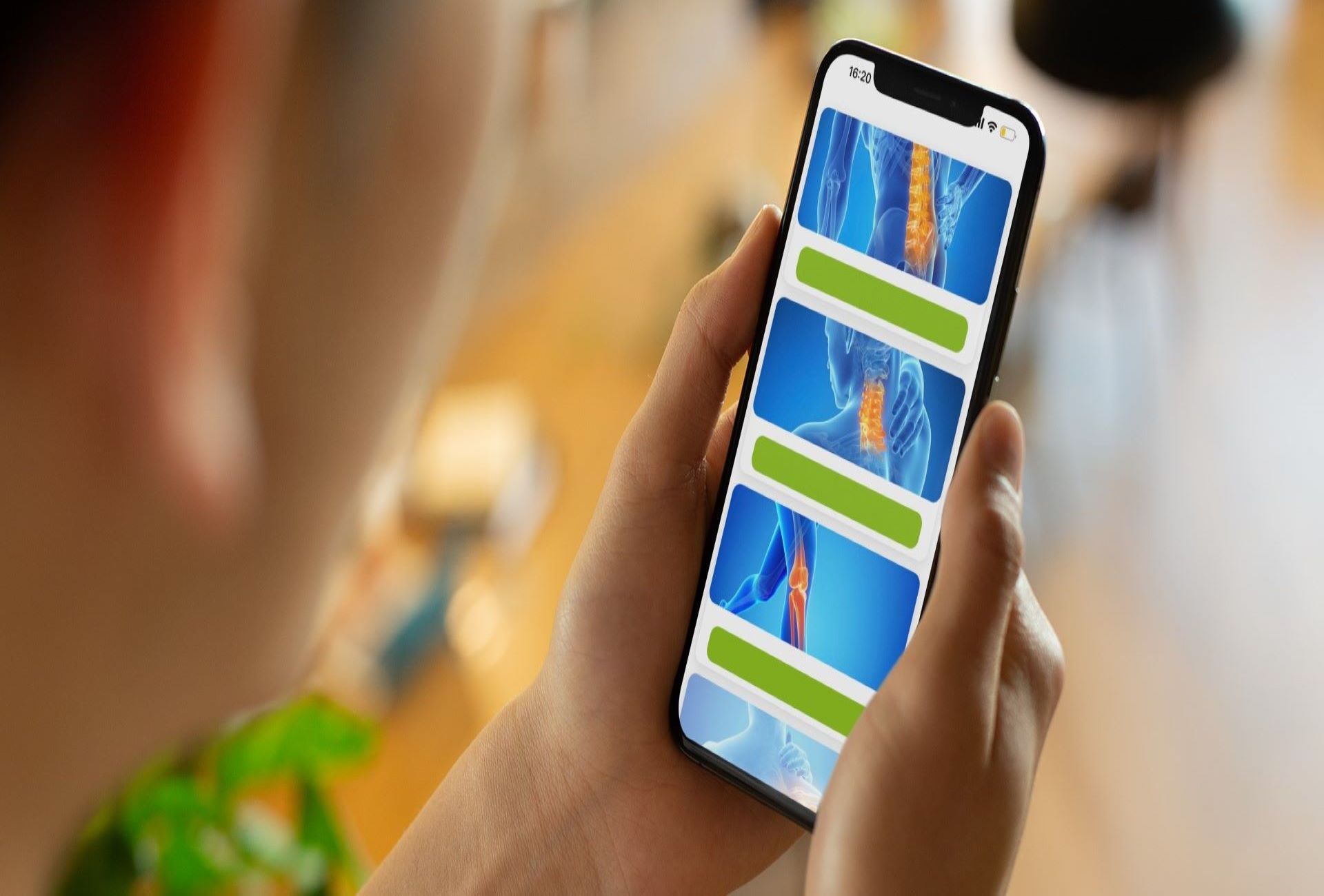
The getUBetter MSK app is provided free of charge by Frimley Health & Care ICS for registered patients at GP Practices. It can be accessed on a Smartphone or on the Web, and guides you day-by-day through a sequence of exercises, tips, and support to help you recover from a range of new, recurrent or long term conditions:
- Lower back pain
- Back and leg pain
- Neck pain
- Shoulder pain
- Ankle pain
- Knee pain
- Soft Tissue Lower Limb pain
- Hip pain
You can self-refer to the app by clicking on this link
Please use an email address that is unique to you and select the condition you need help to manage. We will then send you an email with all the information you need to get started.
You can download the getUBetter MSK app to your Smartphone for easiest access, or you can use the Webapp.
If you develop another condition, select your new condition from within the app and it will be added to your account.
The first night of our new 8 week course helping patients from Cedars Surgery in Maidenhead make a change, as they begin their journey to better health.
A real food lower carb approach, to help patients lose weight, reverse chronic disease, feel more energised and generally live their best life!
We will focus on so much more than food over the next 8 weeks… sleep, social interaction, movement, mental wellbeing, and avoidance of unhealthy habits.
Thank you to Public Health Collaboration, The Prince Philip Trust Fund and my partner in crime, Helen Ritchie, for support and collaboration in changing lives.
Today we welcome back Dr Adeel Shaffiq who was a trainee with use back in 2021. Dr Shaffiq will be working Fridays to support winter pressure demand for the next 3 months.
Today we welcome back Dr Adeel Shaffiq who was a trainee with use back in 2021. Dr Shaffiq will be working Fridays to support winter pressure demand for the next 3 months.
Welcome to The Cedar Surgery's new WEBSITE, we hope you will find it informative, useful and we welcome your feedback about it. We will try to keep it up to date as possible with surgery changes such as new patient services available to you, Covid changes and vaccine news and latest news. We will try to keep it up to date as possible with surgery changes such as new patient services available to you, Covid changes and vaccine news and latest news.
Welcome to The Cedar Surgery's new WEBSITE, we hope you will find it informative, useful and we welcome your feedback about it. We will try to keep it up to date as possible with surgery changes such as new patient services available to you, Covid changes and vaccine news and latest news. We will try to keep it up to date as possible with surgery changes such as new patient services available to you, Covid changes and vaccine news and latest news.